

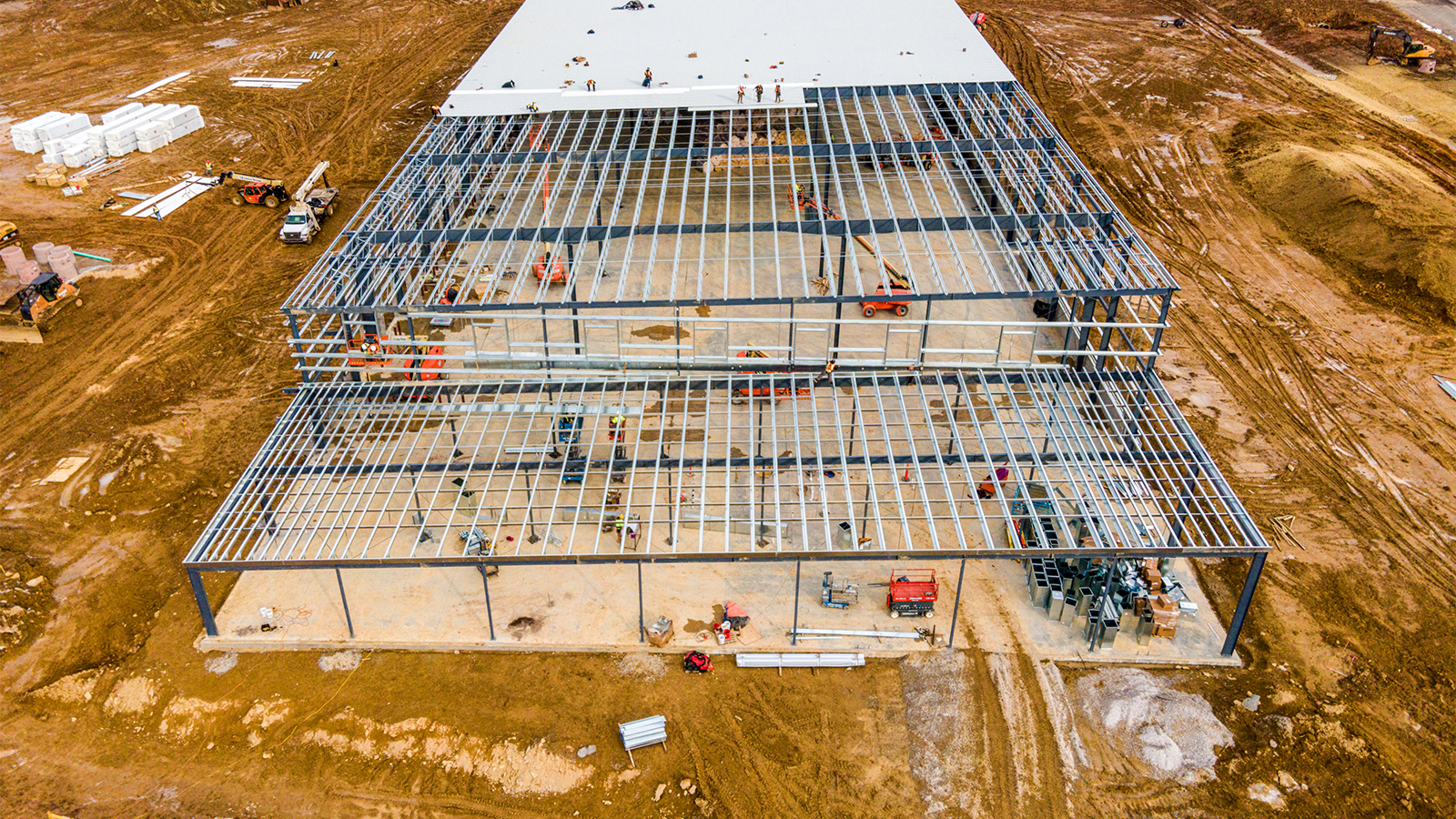
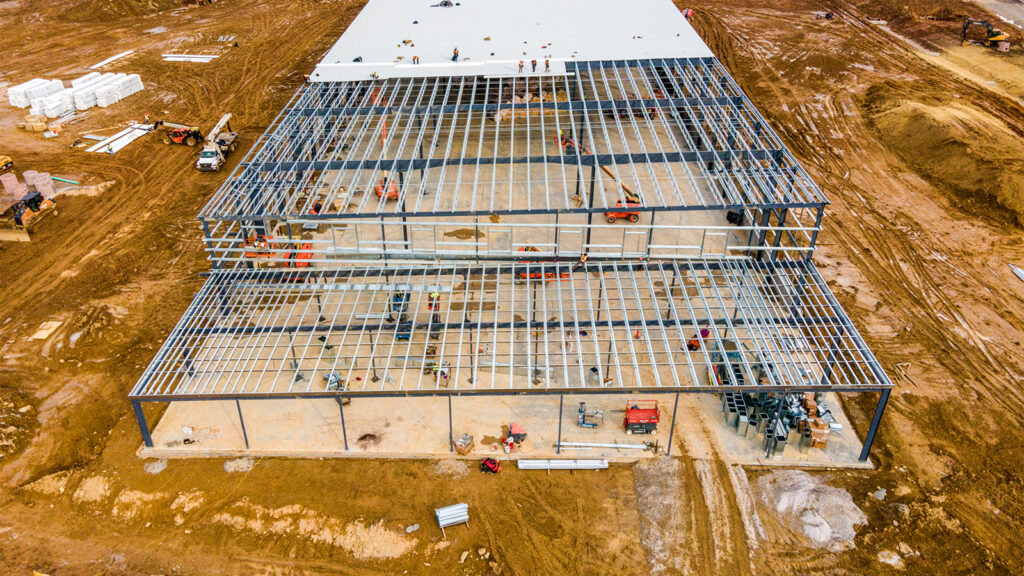
Building a warehouse is a major financial investment that requires careful planning and strategic decision-making. The total cost can vary significantly based on a wide range of factors, and understanding these variables early can help prevent costly surprises later in the project.
Warehouse construction costs go far beyond the size of the building alone. Material selection, labor availability, site conditions, regulatory requirements, and project complexity all influence the final budget. Even shifts in supply chains or material demand can impact overall project expenses.
For businesses planning warehouse construction in Grimes County, Texas, additional local factors such as rural land conditions, proximity to major highways like Highway 6 and State Highway 105, and regional permitting requirements can also influence overall project costs and timelines.
Whether you are developing a small storage facility or a large-scale logistics hub, your project will move through multiple stages — each with its own financial considerations. From permitting and site preparation to structural construction and final build-out, every phase contributes to the total investment.
This guide breaks down the key cost factors at each stage of warehouse construction so you can make informed decisions, plan strategically, and align your budget with your long-term operational goals.
Key Takeaways
- Warehouse construction costs are influenced by materials, labor, location, and project scale.
- Market conditions and material demand can significantly affect overall project budgets.
- Larger facilities may benefit from efficiency in design and construction planning.
- Site preparation, foundation work, and permits are commonly underestimated cost drivers.
- Regional labor availability plays a major role in project timelines and total expenses.
- Strategic financial planning helps reduce overruns and keeps construction on schedule.
Understanding Warehouse Construction Costs and Budget Planning
Successfully managing a warehouse construction project starts with a clear understanding of what drives the budget. Every decision — from design specifications to workforce planning — plays a role in the final cost.
A well-developed estimate helps keep the project aligned with both financial expectations and operational needs. Without a clear cost framework, unexpected expenses can quickly disrupt timelines and strain resources.
In Grimes County and surrounding areas like College Station, Navasota, Anderson, and Iola, early planning is especially important due to varying land development requirements and site accessibility considerations common in semi-rural Texas markets.
Breaking Down Cost Per Square Foot Calculations
Cost per square foot is commonly used as a general benchmarking tool in warehouse construction. However, this metric can vary widely depending on the building’s design, structural requirements, and intended use.
Factors that influence cost per square foot include:
- Structural system and materials
- Height and clear span requirements
- Mechanical and electrical systems
- Insulation and climate control needs
- Site accessibility and logistics
Because warehouses range from basic storage spaces to advanced distribution centers, cost comparisons should always account for functional requirements rather than relying on a single generalized figure.
Impact of Cost Overruns on Business Operations
Cost overruns can disrupt more than just the construction phase. They can affect cash flow, delay operational launch dates, and divert resources away from core business functions.
Project delays may also impact supply chain operations, tenant commitments, or customer expectations. Careful planning, realistic scheduling, and contingency budgeting are essential to maintaining financial stability throughout the build.
Strategic Financial Planning for Your Warehouse Project
Effective budget planning extends beyond initial construction costs. Long-term operational expenses such as maintenance, utilities, and facility upgrades should also be considered during the planning stage.
By evaluating labor needs, site development, materials, and regulatory requirements early, project owners can establish a more accurate financial roadmap and reduce the risk of unexpected expenditures.
Materials and Structural Components That Drive Overall Cost
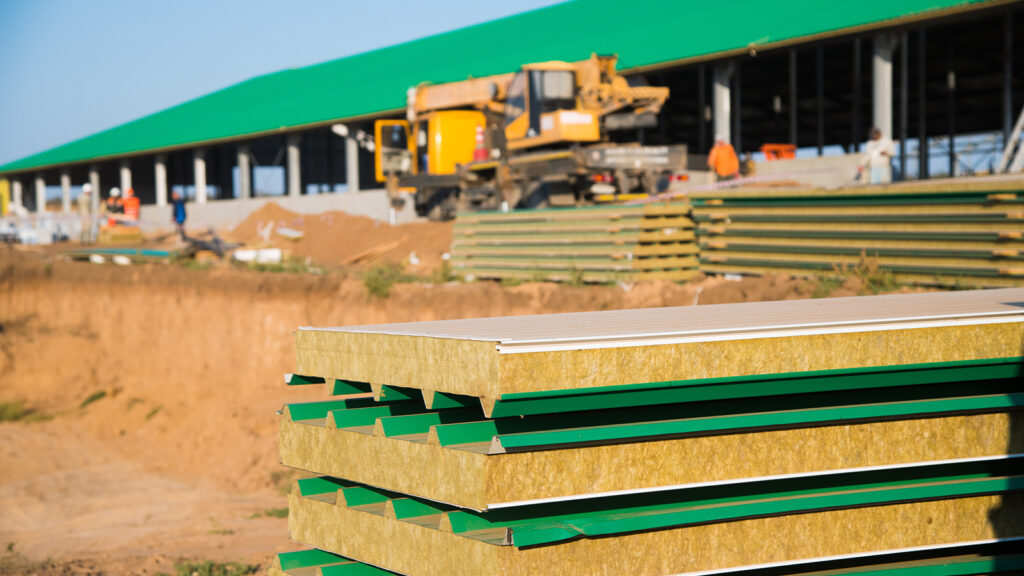
Material selection is one of the most influential factors in warehouse construction. From the structural framework to roofing and insulation systems, each component directly impacts both upfront investment and long-term performance.
Steel Warehouse Construction vs Traditional Building Methods
Pre-engineered steel buildings are widely used in warehouse construction due to their efficiency, scalability, and durability. They are often favored for large clear-span spaces and streamlined construction timelines.
Alternative construction methods, such as concrete or hybrid structural systems, may be preferred depending on load requirements, environmental conditions, or long-term usage goals. Each option presents different cost, durability, and maintenance considerations.
The ideal structural approach depends on:
- Facility size and operational demands
- Environmental exposure
- Load-bearing requirements
- Future expansion plans
Roofing, Flooring, and Insulation Cost Considerations
Key building systems like roofing, flooring, and insulation play a significant role in both construction costs and long-term operating efficiency.
For example:
- Durable roofing systems can reduce maintenance and lifecycle costs
- High-quality flooring supports heavy equipment and storage loads
- Proper insulation improves energy efficiency and climate control
Investing in the right materials during construction can lead to lower operational costs over the life of the facility.
How Material Price Fluctuations Affect Your Total Budget
Material markets can shift based on global demand, supply chain conditions, and economic trends. These fluctuations can influence procurement timelines and overall construction planning.
Securing materials early, working with experienced contractors, and maintaining flexibility in specifications can help mitigate the financial impact of changing material costs.
Site Preparation and Foundation Requirements
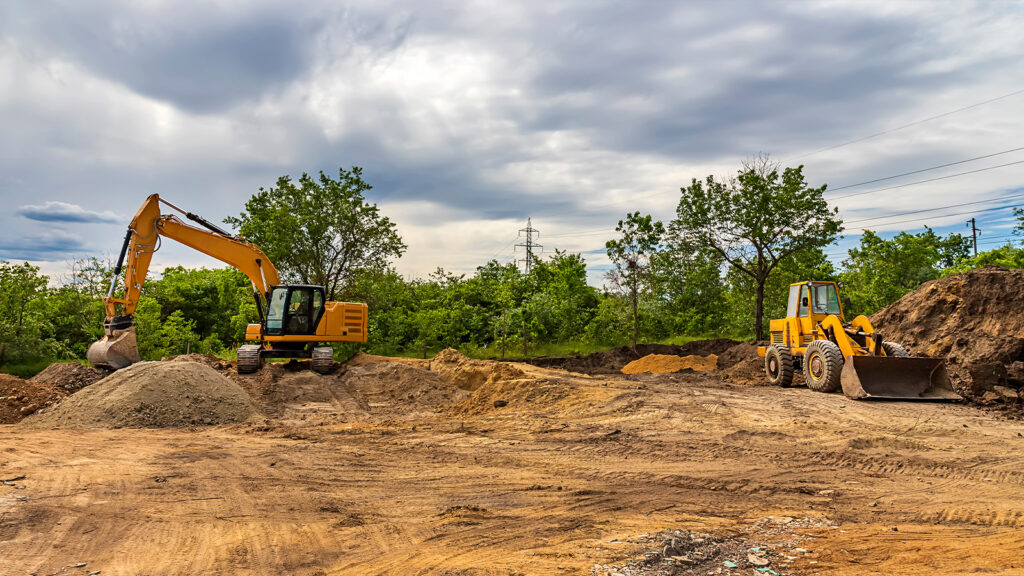
Site preparation is a foundational step in warehouse construction and can significantly influence the total project cost. Proper groundwork ensures structural stability, regulatory compliance, and long-term durability.
Soil testing and geotechnical analysis are typically conducted early in the planning process. These evaluations identify factors such as soil composition, load-bearing capacity, drainage conditions, and potential environmental risks.
Foundation design will vary based on:
- Warehouse size and structural load
- Soil conditions
- Equipment usage and storage requirements
- Regional weather and environmental factors
In some cases, more complex foundation systems may be required to support heavy equipment, high storage loads, or challenging site conditions.
Additionally, the location of the site can impact accessibility, transportation logistics, and local infrastructure requirements. Thorough site evaluation helps prevent structural issues and costly revisions later in the project.
Labor Costs and Construction Timeline Factors
Labor is a major component of warehouse construction expenses and is heavily influenced by regional market conditions, project complexity, and scheduling demands.
Regional Labor Rate Variations Across the United States
Labor availability and wage levels vary by region. Areas experiencing rapid commercial growth often face higher labor demand, which can influence both pricing and project timelines.
Urban and industrial markets may require specialized trades, project managers, and subcontractors, all of which contribute to overall construction costs.
How Project Deadlines Influence Construction Costs
Tight construction timelines can increase expenses due to overtime labor, expedited material procurement, and accelerated scheduling requirements.
While faster completion may support operational goals, it often requires additional coordination and resource allocation. Realistic timelines allow for better cost control and higher construction quality.
Skilled Trade Availability in Houston and Texas Markets
Access to experienced contractors, engineers, and skilled trades plays a key role in project efficiency. Regions with strong construction networks and industrial infrastructure often experience smoother project execution and fewer delays.
Working with experienced local professionals can help streamline scheduling, improve coordination, and maintain budget alignment throughout the construction process.
Permits, Compliance, and Soft Cost Considerations
Soft costs are an essential part of warehouse construction planning and are often underestimated. These expenses include design services, permitting, inspections, insurance, and legal requirements.
Navigating Local Building Codes and Regulations
Building codes and regulatory requirements vary by jurisdiction and can significantly influence project scope and cost. Compliance with zoning laws, safety standards, and occupancy regulations is mandatory before construction can begin.
Delays in approvals or permitting can extend timelines and increase overall project expenses.
Environmental Compliance and Sustainability Requirements
Environmental regulations may require additional planning for drainage systems, emissions considerations, and energy efficiency standards. Sustainability initiatives, such as energy-efficient design or environmental mitigation measures, can also impact initial construction costs while providing long-term operational benefits.
Architectural Design and Engineering Fees
Architectural and engineering services are critical for ensuring structural integrity, operational functionality, and regulatory compliance. These professionals develop detailed plans, technical specifications, and system integrations tailored to the warehouse’s intended use.
Design complexity, customization, and facility size all influence the scope of these services.
Insurance and Legal Clearances for Warehouse Construction
Insurance coverage, legal clearances, zoning approvals, and contractual protections are essential components of risk management during construction. These safeguards help protect stakeholders, ensure compliance, and reduce financial exposure throughout the project lifecycle.
Proper planning for these soft costs ensures smoother project execution and fewer unexpected financial obstacles.
Conclusion
Understanding the factors that influence warehouse construction costs is essential for making informed investment decisions. From site conditions and structural design to materials, labor, and regulatory requirements, every element plays a role in shaping the final budget and timeline.
Careful planning and collaboration with experienced professionals can help identify potential cost drivers early and reduce the risk of delays or budget overruns.
A well-designed warehouse is more than just a structure — it is a long-term operational asset that supports business growth, efficiency, and scalability. By taking a strategic approach to planning, budgeting, and execution, businesses can create a facility that meets both current needs and future expansion goals.
Ultimately, every decision made during the construction process — from material selection to workforce planning — contributes to the success, durability, and value of the completed warehouse facility.
FAQ – Cost to Build a Warehouse
What are the main factors that influence warehouse construction costs?
Several key factors influence warehouse construction cost estimates, including material selection, labor availability, site conditions, building design, regulatory requirements, and overall project complexity. The intended use of the warehouse — such as storage, distribution, or manufacturing — also plays a major role in determining structural and operational requirements.
Does the size of the warehouse significantly impact the overall cost?
Yes, warehouse size is a major cost driver, but it is not the only one. Larger facilities often require more materials, labor, and site preparation. However, larger projects can sometimes benefit from design efficiencies and streamlined construction processes, which may help balance certain costs over time.
How does location affect warehouse construction expenses?
Location impacts costs through labor availability, permitting requirements, land conditions, and local building regulations. Regional market demand, accessibility, and infrastructure can also influence construction timelines and project logistics, all of which contribute to the overall investment.
Why is site preparation important in warehouse construction?
Site preparation ensures the land is stable, properly graded, and suitable for the warehouse structure. Soil testing, drainage planning, and foundation design are essential steps that help prevent structural issues, delays, and costly repairs in the future. Skipping proper site preparation can lead to long-term operational and structural risks.
What role do materials play in long-term warehouse costs?
Material choices affect both initial construction expenses and long-term operational efficiency. Durable structural systems, quality insulation, and reliable roofing and flooring can reduce maintenance, improve energy efficiency, and extend the lifespan of the facility. Investing in the right materials early often leads to lower lifecycle costs.
How can businesses reduce the risk of cost overruns during warehouse construction?
Cost overruns can be minimized through detailed planning, realistic budgeting, and working with experienced construction professionals. Conducting early site assessments, allowing flexible timelines, and accounting for soft costs such as permits and design services can help maintain financial control and keep the project on schedule.