

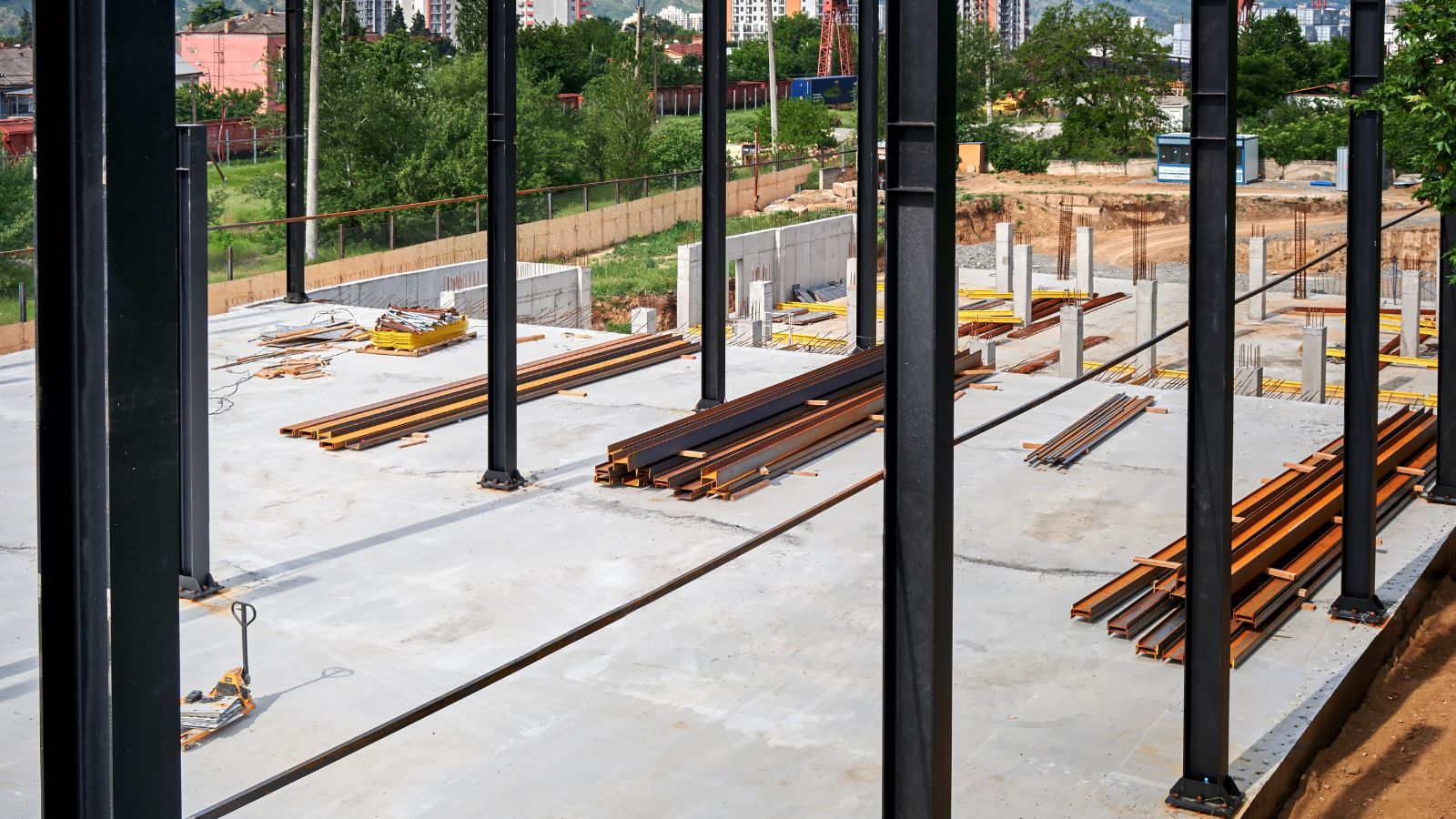
Every successful construction project starts with a solid foundation. The foundation you choose is key to your building’s strength and durability. It affects everything from structural integrity to operational efficiency.
Before starting a warehouse project, many factors need to be considered. Soil conditions, load-bearing requirements, and environmental conditions are all important. At MBC Management, based in the Houston, Texas area, we know each specific project is unique. We tailor our approach to meet your specific needs.
Choosing the right foundation sets the stage for your warehouse design. A stable foundation supports heavy machinery and allows for future growth. It also prevents settling issues that can disrupt operations. Good planning ensures your warehouse meets current and future functional requirements.
Key Takeaways
- Proper foundation planning directly impacts the longevity and structural integrity of warehouse buildings
- Soil conditions and load-bearing requirements must be thoroughly assessed before selecting a type of foundation
- Different warehouse construction projects require customized foundation options based on operational needs
- Professional construction companies ensure optimal foundation performance by evaluating environmental conditions.
Why a Stable Foundation Is Critical for Warehouse Buildings
Every warehouse project starts with a key element that affects its performance and lifespan. The foundation system is vital for smooth operations for decades. At MBC Management, we focus on thorough foundation analysis for projects across Texas.
A well-designed foundation prevents structural failures that could stop operations and keeps valuable inventory safe from damage. Investing in a strong and stable foundation pays off over the building’s life.
How Foundations Support the Entire Structure
The foundation anchors every part of a warehouse building. It distributes the weight of walls, roofs, inventory, and equipment safely into the ground. This load-bearing function requires precise engineering to avoid failure.
Key foundation components include:
- The floor slab creates a level surface and transfers loads downward
- Footing systems spread concentrated forces across wider areas
- Properly designed foundations prevent differential settlement
- Integration between components ensures the structure moves as one unit
Heavy loads from forklifts and stored materials on pallets stress foundation elements. The slab must handle heavy equipment traffic without cracking. Pouring concrete with the right thickness and reinforcement is essential for withstanding heavy use.
Ensuring Strength and Durability for Long-Term Success
Warehouse operations need foundations that last decades. The best systems consider both immediate and future needs, preventing expensive repairs and disruptions.
Several factors contribute to foundation longevity:
- Quality materials resist deterioration from moisture and chemicals that could corrode reinforcement
- Proper reinforcement prevents cracking as loads shift
- Adequate thickness handles concentrated loads
- Weather-resistant design withstands Texas’s climate cycles
Material handling equipment creates repetitive impact loads. A strong foundation resists these forces without damage, maintaining safe working environment conditions and protecting inventory from floor settlement.
The Role of Geotechnical Analysis in Building Design
Professional soil testing is critical for foundation decisions. Geotechnical engineers assess subsurface conditions to determine the best foundation type. This analysis prevents costly failures by matching design to site characteristics.
| Analysis Component | Purpose | Impact on Foundation Design |
|---|---|---|
| Soil bearing capacity | Determines weight support | Establishes required footing sizes and depths |
| Soil composition | Identifies clay content and expansion | Guides foundation type selection |
| Groundwater evaluation | Locates water table | Influences waterproofing and drainage requirements |
| Settlement analysis | Predicts soil compression | Determines if special measures prevent movement |
Soil conditions vary across Texas, from firm soil to expansive clays. The construction process must account for these differences. What works in one area may fail elsewhere without proper geotechnical guidance.
The best foundation choices come from collaboration between geotechnical engineers, structural engineers, and contractors. At MBC Management in Houston, TX, we use this expertise to deliver reliable warehouse foundations for commercial buildings.
Choosing the Right Warehouse Foundation Type
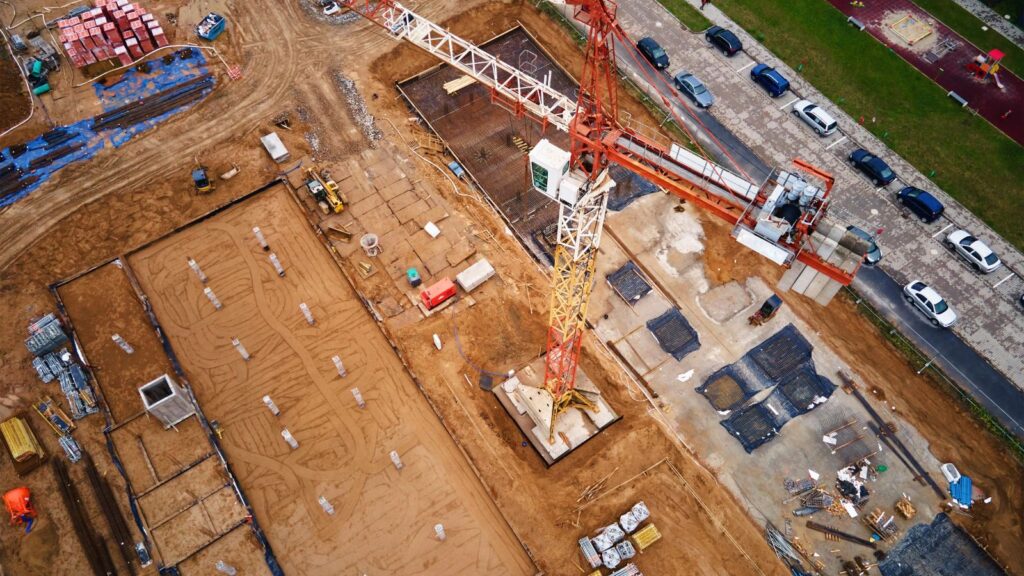
Different sites and operational needs call for specific foundations for warehouses. You must evaluate soil conditions, loads, budget, and future goals. Each type offers distinct advantages for certain situations.
Concrete Slab Foundations: An Excellent Choice for Warehouses
Concrete slabs are the top choice for warehouse construction in the U.S. They provide a smooth surface for forklifts and other equipment, keeping operations flowing smoothly. This foundation type is cost-effective and supports efficient material handling.
Slabs are typically 4 to 6 inches thick for most warehouses. For heavier loads and high-density storage systems, they can be up to 8 inches thick with steel reinforcement. This design is an excellent choice for warehouses requiring level floor surfaces.
These foundations offer low maintenance and withstand heavy use without significant upkeep. Minor repairs can address any issues without stopping operations. The smooth surface improves working environment safety and supports modern automation systems, making them ideal warehouse solutions.
Pile Foundations for Unstable Soil Conditions
Pile foundations are necessary when surface soils cannot support warehouse buildings. They transfer loads to deeper, stable layers. Geotechnical analysis determines the right depth and configuration.
Options include driven piles hammered into the ground, drilled piers filled with concrete, and helical screw piles for faster installation. Each creates strong support columns. The pier system combines deep stability with a level surface, working well with heavy machinery in challenging conditions.
Raft Foundations for Load Distribution
Raft foundations spread loads over wide areas, making them suitable for sites with lower bearing capacity soils. The thick concrete mat covers the warehouse area and handles heavy loads effectively.
These foundations are 12 to 36 inches thick with steel mesh reinforcement. They’re cost-effective for weak soils and simplify the construction process with single-pour installation. This design makes difficult sites workable, allowing for greater development flexibility.
| Foundation Type | Best Soil Conditions | Typical Cost Range | Installation Time |
|---|---|---|---|
| Concrete Slab | Stable soils | $4-$8 per sq ft | 1-2 weeks |
| Pile Foundations | Weak surface soils | $15-$35 per sq ft | 3-5 weeks |
| Raft Foundations | Lower bearing capacity | $10-$20 per sq ft | 2-3 weeks |
Selecting a foundation requires careful evaluation. Site conditions matter more than cost alone. Professional guidance ensures the right choice for your new facility now and into the future.
Key Design and Construction Considerations
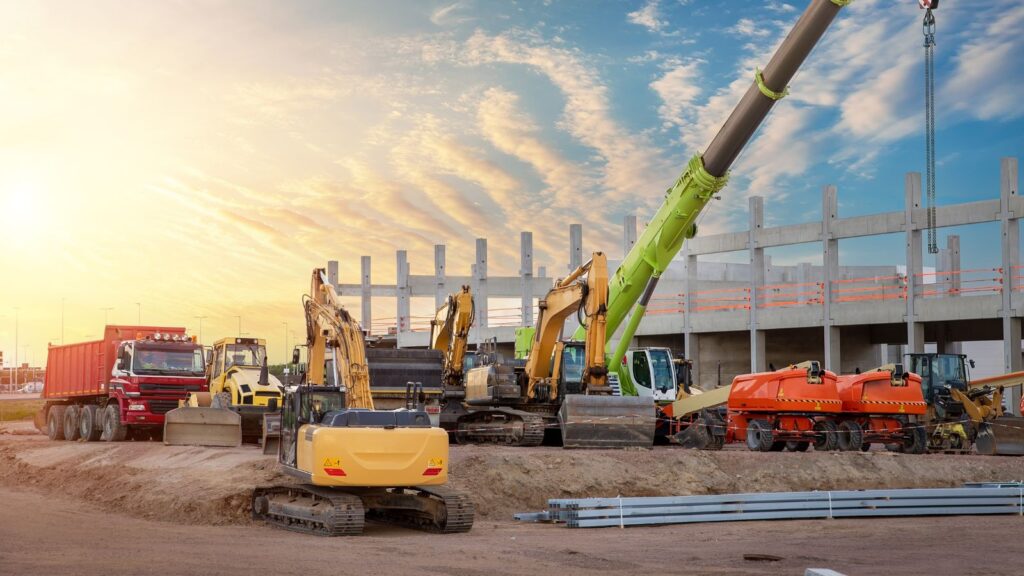
Building a warehouse foundation involves coordinating drainage systems, meeting local regulations, and using proper construction methods. These elements ensure optimal performance for decades.
Proper Drainage Systems for Environmental Conditions
Water threatens warehouse foundations over time. Proper drainage protects against moisture damage, preventing soil weakening and concrete deterioration.
Effective drainage starts with site grading that directs water away from the building. The ground should slope at least two percent near the foundation. Perimeter drainage systems capture subsurface water before it reaches the foundation, using perforated pipes at footing level surrounded by gravel.
In warehouses with liquid products or frequent washing, interior floor drains prevent water accumulation. The drainage design must fit the warehouse’s operational needs and protect stored inventory on pallets.
| Drainage Component | Primary Function | Maintenance Frequency |
|---|---|---|
| Site Grading | Surface water direction | Annual inspection |
| Perimeter Drains | Subsurface water removal | Clean every 3-5 years |
| Floor Drains | Interior water removal | Monthly cleaning |
Meeting Local Regulations and Safety Standards in Texas
Building a warehouse in Texas requires compliance with strict safety standards and building codes. These regulations vary by location, affecting foundation design and construction timelines.
Building codes establish minimum standards for foundation design based on occupancy and use. Professional architects and engineers navigate these requirements while meeting tight deadlines. Getting permits requires detailed plans that verify foundation designs meet all regulations before construction begins.
Planning for Operational Needs and Functional Requirements
Warehouse foundations must support specific activities inside the building. Planning for operational efficiency during design prevents costly modifications later, ensuring that your warehouse functions optimally from day one.
Heavy machinery generates concentrated loads at specific points. The foundation must handle these forces without cracking or settling. Automation systems require foundation-mounted tracks or guidance systems, needing precise placement during construction.
Inventory management strategies impact foundation requirements. High-density storage systems concentrate loads in smaller areas. The foundation design must accommodate these patterns while maintaining floor strength throughout the warehouse.
Temperature control needs affect foundation insulation, particularly for refrigerated warehouses. Under-slab insulation creates an energy-efficient foundation that reduces operational costs over the building’s life.
Tilt-Up Construction and Wall Panel Integration
Tilt-up construction is popular for warehouse construction due to speed and cost savings. This method casts concrete wall panels horizontally on the slab, then tilts them into place. The foundation provides both a casting surface and structural support.
Conclusion
Building a successful warehouse starts with a strong foundation. This foundation is critical for both structural stability and operational performance. Choosing the right foundation type involves careful analysis of soil conditions, load requirements, drainage needs, and local regulations.
Architects and engineers play essential roles in ensuring your warehouse project is both cost-effective and high-quality. They work together to meet your needs now and allow for future growth.
At MBC Management, we offer comprehensive warehouse foundation services in College Station, Houston, and Grimes County, Texas. Our team focuses on every detail of your construction project, using expertise to build warehouses that provide long-term success.
Working with us ensures your foundation needs are met from start to finish, supporting your business goals and allowing warehouse operations to thrive for decades.
FAQ
What are the most common foundation types used for warehouse construction?
Warehouses typically use concrete slab, pile foundations, and raft foundations. Concrete slabs are cost-effective and support forklifts and material handling equipment. Pile foundations are necessary for unstable soil conditions, transferring loads to deeper, competent layers. Raft foundations distribute loads over larger areas, suitable for sites with challenging soil conditions. The right choice depends on geotechnical analysis and specific project requirements.
Why is geotechnical analysis essential before building a warehouse?
Geotechnical analysis assesses site conditions and determines if soil can support the warehouse. This analysis prevents costly failures by identifying weak layers and expansive soils before construction begins. Without it, warehouses risk settlement, structural damage, and safety issues. Professional soil testing is vital for successful warehouse construction in Texas, where soil conditions vary significantly across regions.
How do proper drainage systems protect warehouse foundations?
Drainage systems protect foundations from water damage through site grading, perimeter drains, and subsurface drainage. They prevent water infiltration that can weaken soil and cause foundation movement. Effective drainage is essential for Texas’s varied environmental conditions, keeping moisture levels stable around the foundation. This protection ensures long-term structural integrity and prevents costly repairs.
When should you use pile foundations instead of concrete slabs?
Pile foundations are necessary when surface soils cannot adequately support the warehouse. They’re required for weak or unstable soil conditions where standard slabs would fail. While more expensive than slabs, pile foundations provide reliable support in challenging sites by reaching deeper, stable soil layers. Geotechnical analysis determines when pile foundations are the best foundation choice for your specific project.
How does tilt-up construction affect warehouse foundation requirements?
Tilt-up construction requires foundations that serve as both casting surfaces and structural support for wall panels. The slab must be properly cured before panels are cast and erected. Foundation design must account for panel connections, edge loads, and energy-efficient interfaces between the foundation and wall panels. This method offers cost savings and faster construction but requires careful planning to ensure final quality and meet tight deadlines.