

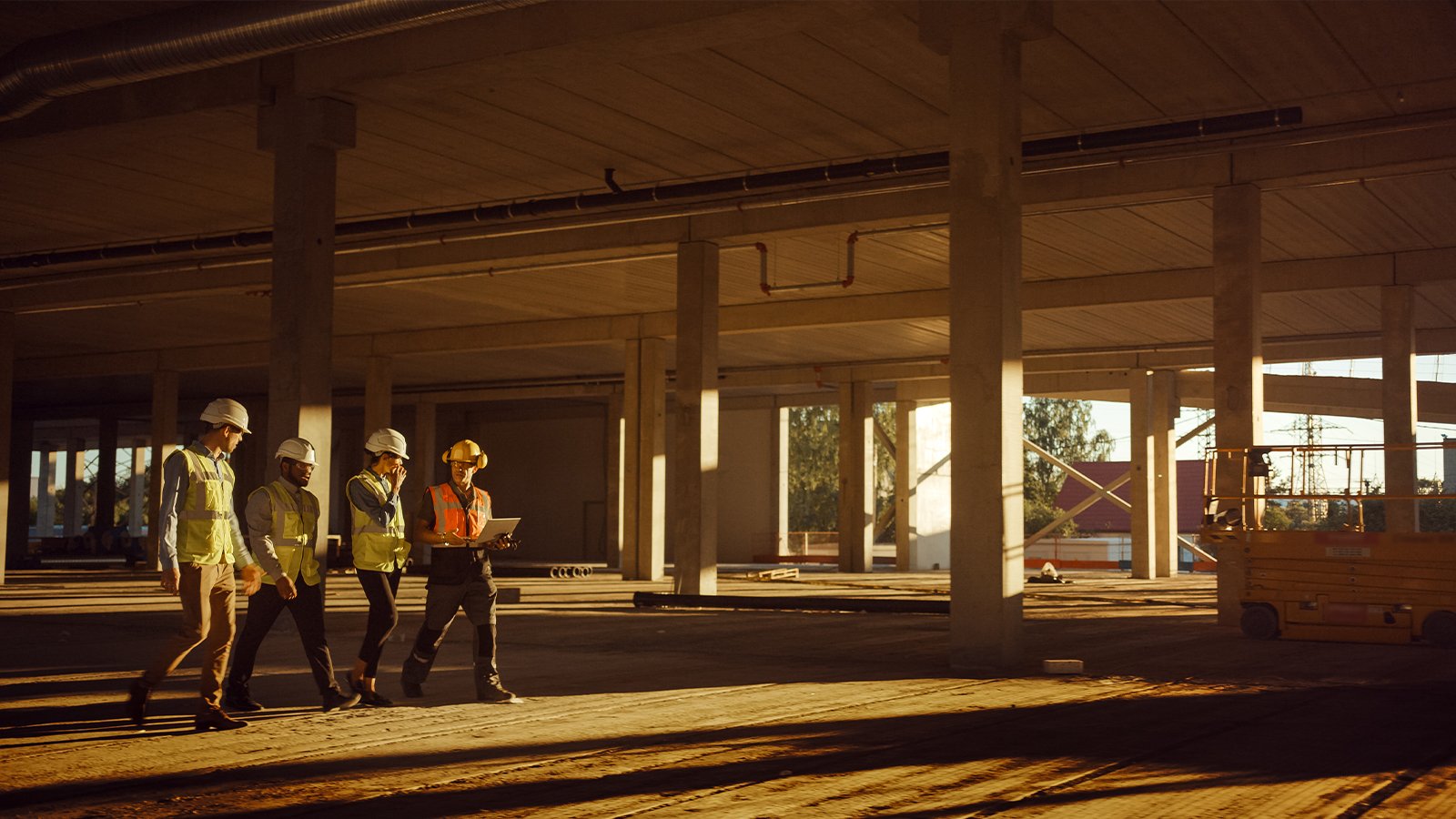
Commercial construction projects need special skills to come to life. Engineering services are key to success, combining various disciplines to solve tough problems.
An engineering firm works on a project-by-project basis, providing professional services. These firms help turn commercial properties into reality. The scope of work can change based on client needs and the firm’s abilities.
Some engineering firms offer full-service solutions, from design to final check. Others specialize in certain areas or act as consulting partners. The skills and knowledge of these experts can make any project better and ensure it’s safe and works well.
Companies like MBC Management in Navasota, TX know that a good engineering team is vital.
Key Takeaways
- Engineering services are essential for successful commercial construction projects
- Different types of engineers work together to handle complex building challenges
- Engineering firms vary in size, structure, and the scope of services they provide
- Professional services range from single-discipline consultation to full project management
- Experienced engineering teams guide projects from start to finish
- The right engineering expertise can significantly elevate project outcomes and safety standards
Essential Engineering Disciplines for Commercial Buildings
Four key engineering disciplines are vital for any commercial construction project. They ensure buildings are safe, efficient, and last for years.
Each discipline focuses on different parts of building design and construction. From site prep to electrical systems, they work together. This teamwork creates safe and functional structures.
| Engineering Discipline | Primary Focus Areas | Key Deliverables | Project Phase Involvement |
|---|---|---|---|
| Civil Engineering | Site preparation, foundations, infrastructure | Site plans, grading designs, utility layouts | Pre-construction through completion |
| Structural Engineering | Load-bearing systems, safety compliance | Structural drawings, load calculations | Design phase through construction review |
| Mechanical Engineering | HVAC, plumbing, fire protection systems | System designs, equipment specifications | Design development through commissioning |
| Electrical Engineering | Power distribution, lighting, technology systems | Electrical plans, load schedules, specifications | Design phase through system testing |
Civil Engineering Services
Civil engineers lay the groundwork for commercial construction. They analyze soil, design drainage, and create site layouts. This work ensures buildings connect well with roads and utilities.
Site preparation is a big part of civil engineering. Engineers check soil and topography to plan grading. They design drainage to prevent water damage and create stable foundations.
Integrating infrastructure with local systems is key. Civil engineers plan for water, sewer, gas, and telecom services. This ensures buildings have reliable utilities from the start.
Learn More: Techniques for High-Quality Concrete Pouring in Commercial Projects
Structural Engineering
Structural engineers focus on a building’s skeleton. They calculate loads and design support systems. They work with architects to make designs buildable.
Load calculations are central to structural engineering. Engineers consider dead loads, live loads, wind, and seismic activity. This ensures buildings are safe under all conditions.
Building codes and safety standards guide structural decisions. Engineers keep up with local rules and best practices. They design systems that meet and often exceed safety standards.
Mechanical Engineering Systems
Mechanical engineering covers systems for comfort and function in commercial buildings. HVAC, plumbing, and fire protection are part of this discipline. Engineers design systems that fit with the building’s design.
HVAC systems need careful planning for comfort and energy savings. Mechanical engineers size equipment and design ductwork. They plan control systems for changing needs.
Plumbing engineers design water and waste systems for commercial buildings. They plan pipe sizes and fixture locations. Fire protection systems also require their expertise to meet safety codes.
Electrical Engineering Design
Electrical engineering includes power, lighting, and technology systems for commercial buildings. These systems must meet current needs and allow for future changes. Electrical engineers design systems that are functional and adaptable.
Power distribution systems are essential for commercial buildings. Engineers calculate loads and design panel locations. They plan circuit layouts for reliable power and coordinate with utilities.
Lighting design goes beyond basic lighting. Electrical engineers choose fixtures and plan switching. They use energy-efficient technologies and design emergency lighting systems.
Planning technology infrastructure is key in building design. Engineers design cabling systems and plan equipment rooms. They create paths for future upgrades, ensuring buildings can adapt without major renovations.
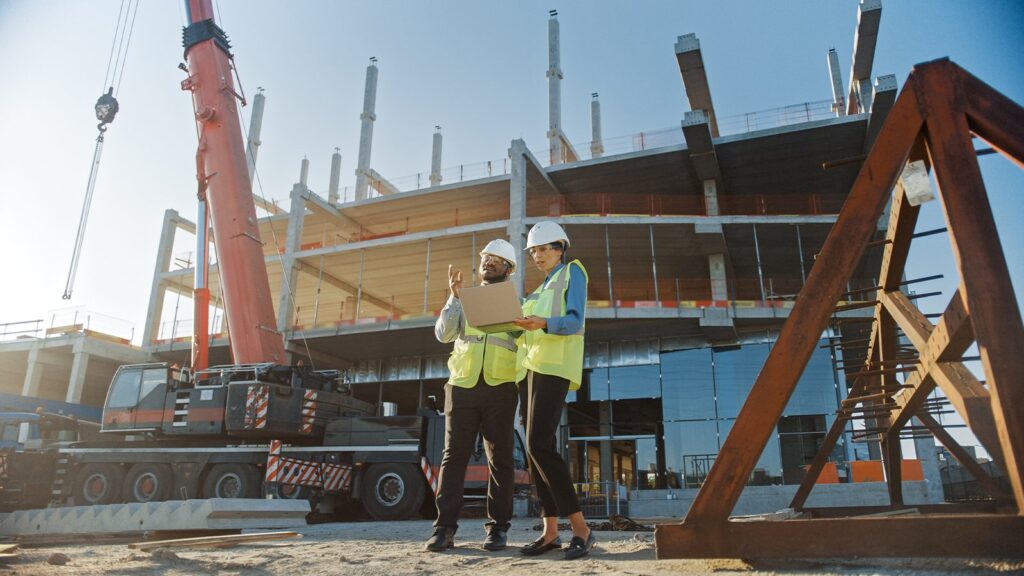
Types of Engineering Services for Commercial Projects
Commercial construction projects face unique challenges due to environmental factors and site-specific issues. These specialized services go beyond basic building design. They address complex regulations and environmental concerns.
Engineering companies provide vital knowledge of codes and standards. Compliance with government regulations is key for a project’s success. They also help with contracts and ensure projects stay on budget.
Learn More: Warehouse Construction Timeline Overview
Environmental Engineering and Compliance
Environmental engineering is key in modern commercial construction. These experts ensure buildings meet strict environmental rules. They also integrate sustainable practices that benefit the environment and your finances.
Environmental engineers work with construction companies to meet complex regulations. They conduct environmental impact assessments and develop strategies to reduce ecological footprint. This includes designing efficient wastewater systems and handling hazardous materials.
Ensuring environmental standards requires ongoing inspection and monitoring. These engineers work with local agencies to ensure compliance. They also help companies understand environmental laws that could affect future projects.
Geotechnical Engineering and Site Analysis
Geotechnical engineering is the foundation for successful commercial construction. Specialists conduct soil testing and foundation recommendations. This prevents costly construction issues.
Advanced testing and topographic analysis provide critical data for safe construction. Geotechnical engineers assess soil bearing capacity and identify hazards. This information influences foundation design and construction methods.
Land surveying services complement geotechnical analysis. They provide accurate site measurements and boundary information. This data helps engineers design buildings that work with the natural landscape.
Hydraulic Engineering and Water Management
Hydraulic engineering addresses water management needs of commercial properties. These systems handle plumbing to industrial water treatment. Engineers design stormwater management systems to prevent flooding.
Wastewater treatment solutions require careful planning. Hydraulic engineers design systems that meet operational and environmental standards. They also plan for future capacity needs as businesses grow.
Water distribution networks must handle varying demand levels. These engineers coordinate with municipal systems and design backup systems. They address specialized needs like fire suppression systems.
Stormwater management is critical as commercial developments grow. Engineers design retention ponds and drainage systems. Some projects may require dam construction to control water flow.
Modern wastewater treatment plants use advanced technologies. These facilities reduce environmental impact and lower costs. Regular inspection and maintenance programs keep these systems efficient.
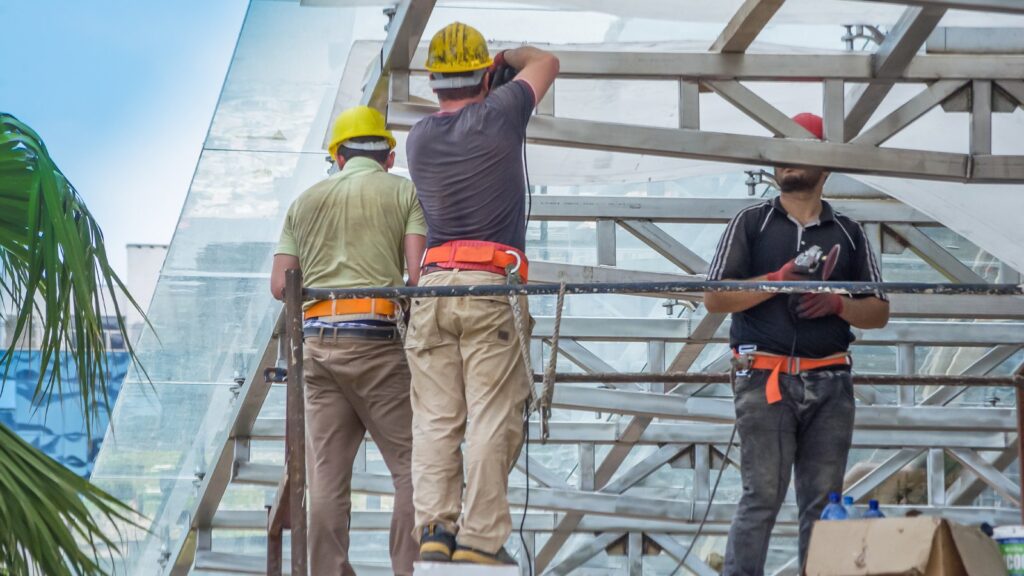
Specialized Design and Consulting Services
Companies like MBC Management use advanced consulting and design services for specialized projects. These services go beyond basic engineering. We offer complete solutions for modern commercial projects.
Today’s services include the latest technology and expert advice. These tools help solve tough projects efficiently. Engineering firms use these services to stay ahead.
Architecture and Engineering Integration
Architects and engineers work together to create amazing buildings. They make sure the building looks good and works well. They start working together from the very beginning.
Engineers team up with architects to make designs real. They check the building’s strength while keeping the design in mind. This teamwork makes buildings safe and beautiful.
Construction Management Services
Engineering companies also manage construction. They make sure the design is followed in the field. They work with contractors to solve any problems.
They also do field checks and help with rules. Consulting goes beyond design to ensure everything is done right. This support keeps projects on track and meets all rules.
Land Surveying and Topographic Services
Good site analysis is key for commercial projects. Professional surveys give important data for engineering. They use new tech like drones for detailed maps.
Topographic services show site details that affect design and building. They find problems early to save money. Knowing the site well lets architects work with confidence.
Building Information Modeling and Technology
Building information modeling changes how projects are planned. It makes 3D models to test building performance before building starts. It helps find and fix problems early.
This tech supports complex designs and coordination. It keeps projects accurate. Building information modeling improves teamwork and project success.
Conclusion
Choosing the right engineering consulting services is key to a project’s success. A top engineering firm works with your team, not over it. They team up with companies like MBC Management in Navasota, TX to make projects run smoothly.
Good engineering teams ask the right questions early on. They do detailed feasibility studies. They know each project is unique, whether it’s simple office spaces or complex hospitals.
Professional engineers keep projects on budget and meet all codes. They handle everything from utility design to environmental rules. The best partnerships solve problems early, saving money later.
Today’s commercial construction needs more than just technical skills. Your engineering team should work well with architects and contractors. This teamwork ensures projects are done safely, on time, and within budget.
The right engineering partnership makes complex projects easier to manage. When engineers and construction teams work together, projects are delivered well. This sets the stage for long-term success.
FAQ
What types of engineering services are essential for commercial construction projects?
Commercial projects need four key engineering areas. Civil engineers prepare the site and infrastructure. Structural engineers handle the building’s strength and safety. Mechanical engineers focus on HVAC and plumbing. Electrical engineers manage power and lighting. They turn client ideas into real commercial spaces from start to finish.
How do civil engineers contribute to commercial building projects?
Civil engineers are vital for site prep, foundation design, and infrastructure. They ensure buildings connect well with public utilities. Their work meets safety and building codes.
What role does structural engineering play in commercial construction?
Structural engineers check if buildings can handle their use safely. They design the building’s framework, from the base to the roof. They work with architects to create buildings that work well.
Why are mechanical engineering systems important for commercial buildings?
Mechanical engineers design HVAC, plumbing, and more. They make sure buildings are comfortable and work well. Their systems meet environmental standards and keep occupants happy.
What does electrical engineering design include for commercial projects?
Electrical engineers plan power, lighting, and tech systems. They ensure buildings have enough power for now and the future. Their designs are safe and efficient.
How do environmental engineering services benefit commercial construction?
Environmental engineers help buildings meet green standards. They manage waste and integrate sustainable practices. This saves money and helps the planet.
What is geotechnical engineering and why is it necessary?
Geotechnical engineers test soil and foundations. They prevent costly problems. Their work ensures buildings are stable and safe.
How does hydraulic engineering support commercial building operations?
Hydraulic engineers handle stormwater and wastewater systems. They design networks for water and treatment. Their work keeps buildings running smoothly and meets environmental rules.
What are the benefits of architecture and engineering integration?
Architects and engineers working together is key. They create buildings that look good and are strong. This teamwork ensures projects meet both design and engineering needs.
How do construction management services support engineering projects?
Engineering firms manage construction projects. They answer questions, inspect sites, and check for code compliance. This service keeps projects on track and within budget.
What role does land surveying play in commercial construction?
Land surveying gives site analysis for engineering. Modern surveying uses drones for detailed site maps. This data helps plan and design projects accurately.
How does building information modeling improve commercial construction?
Building information modeling (BIM) uses 3D models and simulations. It helps spot issues before construction starts. This digital tool makes complex projects easier and more efficient.
What should I look for when choosing an engineering firm for my commercial project?
Choose a firm that offers all the engineering services you need. Look for experienced engineers who can work with your team. Make sure they provide design and construction support from start to finish.
How do engineering services help keep commercial projects within budget?
Good engineering services keep projects affordable. They provide accurate designs and manage construction. This prevents costly changes and keeps projects on schedule and budget.
What types of commercial buildings require specialized engineering services?
All commercial buildings need engineering services. But, complex ones like hospitals and industrial buildings need extra expertise. They require firms experienced in specific areas and complex systems.